Dates
September 26, 2027
Route
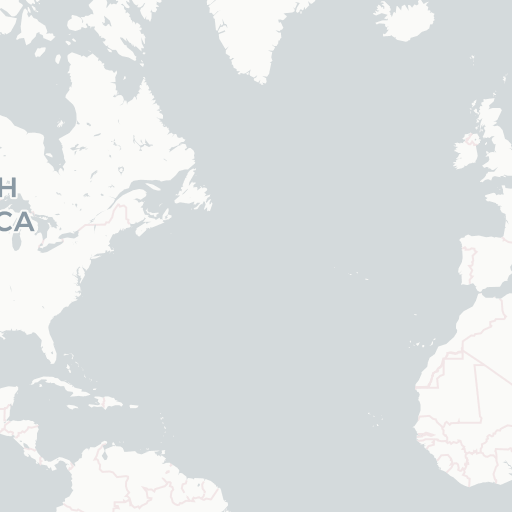
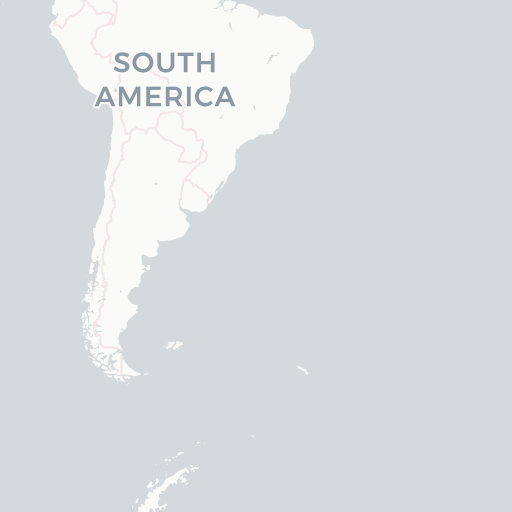
Les Sables-d'Olonne → Saint-François (Guadeloupe)
View table of contents
Destination Brazil: The 2027 Mini-Transat Changes Everything
Guadeloupe is out. In 2027, the 6.50-meter fleet will set course for Salvador de Bahia, reviving a legendary route the Mini hasn't sailed since 2011. A radical shift, voted through seven to four by the Mini Class Board of Directors in January 2026, that completely reshapes the face of the race.
For nearly fifty years, the Mini-Transat has embodied the school of offshore racing in its rawest form: one sailor, one 6.50-meter boat, zero assistance, zero satellite routing. The race has forged generations of ocean racers. With this 2027 edition, it proves it has never stopped reinventing itself.
La Rochelle Takes Back the Helm
After three editions starting from Les Sables-d'Olonne, La Rochelle reclaims the organization — for 2027 and 2029. The city, which already hosted starts in 2017 and 2019, is investing €200,000 in the event and intends to consolidate its status as a sailing capital.
The start is scheduled for September 2027. At the helm of race direction, Annabelle Moreau, secretary of the Mini Class, assisted by Claire Renou. They're taking over from Denis Hugues, a historic figure in the race, who remains an advisor to the La Rochelle organization.
A Two-Leg Route to the Equator
Las Palmas: The Gateway Before the Big Jump
First stop: Las Palmas de Gran Canaria, the classic technical stopover. The Bay of Biscay will have already sorted the fleet. This is where skippers repair, catch their breath, and prepare to pivot south.
Salvador de Bahia: The Doldrums Lie in Wait
The second leg changes everything. Gone is the tradewind highway to the Caribbean. Competitors will have to cross the Doldrums — that intertropical convergence zone where winds die, squalls explode, and nerves fray — before crossing the equator to reach Brazil.
This route was already sailed six times between 2001 and 2011. Its return offers far greater meteorological complexity than the Caribbean route and a genuine hemispheric crossing, a powerful symbolic milestone. As Yves Le Blevec, 2007 winner, points out: varying the courses is essential to preserve the Mini's spirit of adventure.
Find the complete season calendar on spencer.club.
Prototypes vs. Production: Two Races in One
The Mini-Transat carries two fleets with radically opposed philosophies. And the gap is widening.
| Feature | Prototype | Production |
|---|---|---|
| Materials | Carbon allowed (mast, hull) | Fiberglass, aluminum mast |
| Appendages | Canting keels, daggerboards, foils | Fixed keel, standard appendages |
| Architectural freedom | Total (draft, deck plan) | Fixed design, homologated model |
| Performance gap | ~7% faster | Reference |
Prototypes remain the laboratory of naval architecture — scow hulls, foils, canting keels — while Production boats guarantee close competition, financially accessible. This duality is what makes the race uniquely rich.

Who Will Be on the Startline?
The final list will take shape through the 2026-2027 qualifying races — Mini Petrolera, Arcipelago 650, and other Mini circuit classics. To take the start, each skipper must prove 1,000 miles of racing and 1,500 miles of sea experience, with a significant portion sailed solo.
The appeal of the Brazilian route could lure back former Mini sailors, drawn by the prospect of reliving the "coffee route" in minimalist form. Eyes are already turning to the skippers who shone on the 2024-2026 circuit.
A One-Million-Euro Budget
The 2027 edition's economic model rests on a balance between public and private funds:
- €200,000 — La Rochelle metropolitan area
- €150,000 — Las Palmas de Gran Canaria
- €150,000 — Salvador de Bahia
- €250,000 — Skipper entry fees
- ~€250,000 — Private partnerships to be finalized
The international visibility of the new route is a compelling argument for closing the sponsorship package. An equator crossing, a change of hemisphere: the story sells itself.
Stand Out or Disappear
The Brazil choice isn't strategically random. The Route du Rhum, the Transat Jacques Vabre: the major transatlantic races systematically converge on the Caribbean. By veering toward Salvador, the Mini-Transat claims its own identity, a position no one else contests.
The flip side: the Guadeloupean public, cultivated over recent editions, loses "their" race. The competing bid — "Sea to See", proposing a finish at Les Saintes — didn't fail to point this out. But the Board majority has spoken: adventure comes first.
2027, Then 2029: A Four-Year Cycle
By locking in La Rochelle as the start port for two consecutive editions, the Mini Class and the city are establishing a rare continuity in nautical events. Four years to sustain investments, build a lasting relationship with Salvador de Bahia, and anchor this route in collective memory.
For the skippers who set off in September 2027, this won't simply be a race. It will be a crossing to the other hemisphere, without routing, without assistance, on a boat the size of a camper van. The very essence of what Bob Salmon imagined in 1977 when he invented the Mini-Transat in Penzance: make the ocean accessible, but never make it easy.
Compare the entered boats and follow Mini-Transat news on spencer.club.
Don't miss any major race
Receive upcoming offshore sailing milestones directly by email.
Projects available in the classes of this race
Selection based on the race class(es). Actual participation depends on official entries.
- Spencer
- Spencer
- Spencer
Would you like to contribute?
Propose an event, a podcast or an article related to offshore sailing.
Is any information missing or incorrect? Let us know.
Propose a contributionDon't miss any major race
Receive upcoming offshore sailing milestones directly by email.